Concrete Slab vs Pier Foundations for Commercial Buildings
For those exploring concrete slab vs pier foundations for commercial buildings, local contractors can assess your needs and expertly install the best foundation type.
Choosing the right foundation is a crucial decision for property owners planning commercial buildings, and understanding the differences between concrete slab and pier foundations can significantly impact long-term performance. Whether constructing a new facility or upgrading an existing structure, knowing which foundation type aligns with the building’s design, soil conditions, and intended use is essential. Local contractors specializing in foundation installation can provide valuable insights and tailored solutions, helping property owners make informed choices that suit their specific needs.
Exploring the benefits and considerations of concrete slab versus pier foundations allows property owners to better evaluate their options. Practical factors such as load-bearing capacity, potential for future expansion, and site conditions often influence the decision. Service providers in the area are equipped to handle the installation process for either foundation type, ensuring that the chosen approach meets structural requirements and local building standards. Keep reading to learn more about how these foundation options compare and how local experts can assist in making the best selection for commercial projects.
- Concrete slab installation services are often needed for commercial buildings requiring a solid, level foundation for large-scale flooring or equipment support, with local contractors ensuring proper preparation and pour techniques. Pier foundation installation may be sought for structures on uneven or unstable soil, as local service providers specialize in setting durable piers that provide stability and support for varying terrain. When planning a commercial project that demands minimal settlement, local pros can advise on whether a concrete slab or pier foundation best suits the site conditions. For buildings with heavy loads or specific design considerations, experienced contractors can evaluate soil conditions to recommend the most appropriate foundation type. Contact local service providers to explore options for concrete slab or pier foundation installation tailored to commercial building needs.
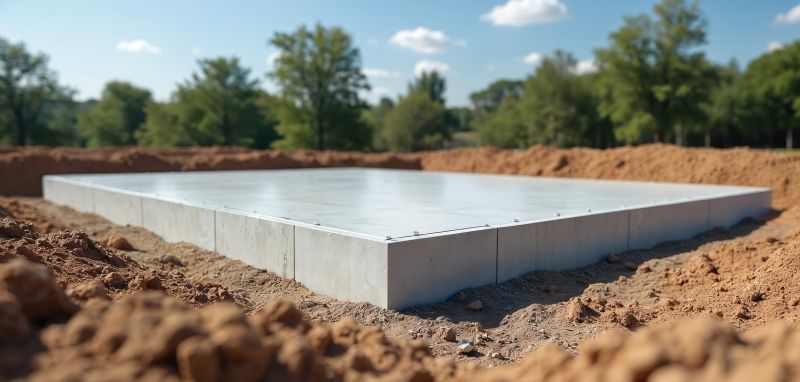
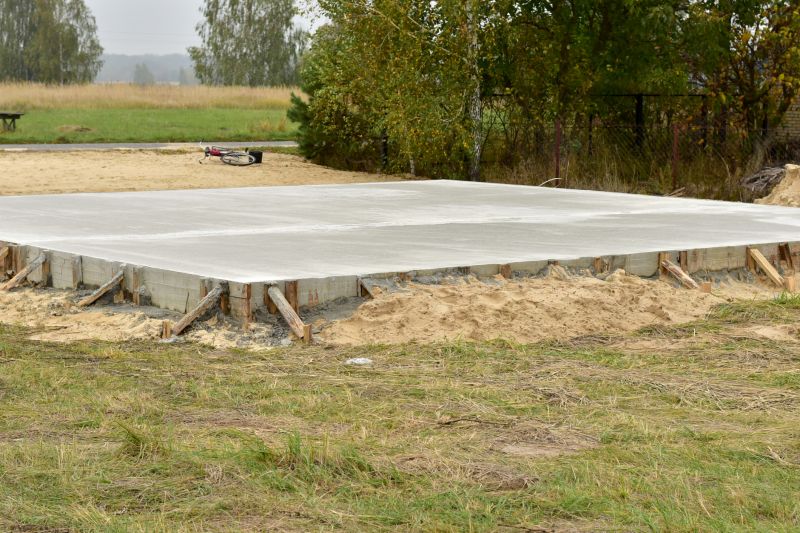
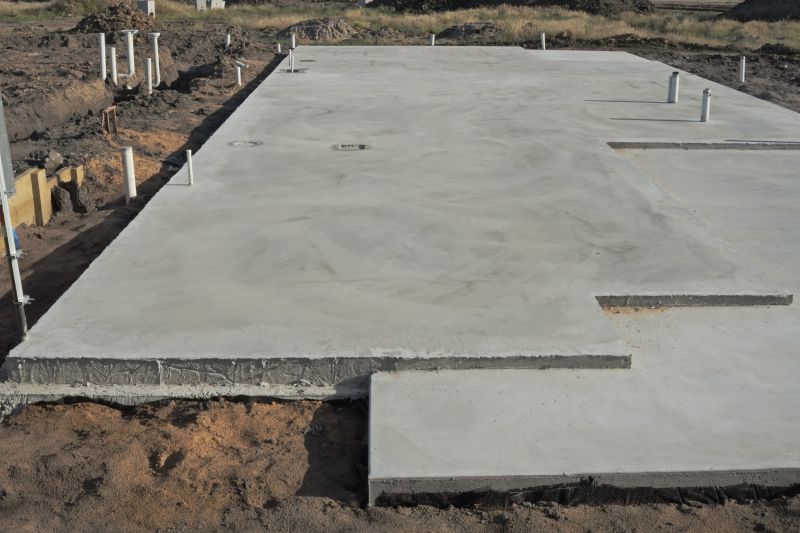
When searching for information about concrete slab vs pier foundations for commercial buildings, most people are trying to understand which foundation type best suits their project’s needs. This topic often comes up during planning phases for new construction or major renovations, as property owners and developers consider the long-term stability and suitability of different foundation options. The decision typically involves evaluating factors like soil conditions, building size, and intended use. People may also be exploring the advantages and disadvantages of each foundation type to ensure their commercial property remains durable and functional over time.
These foundation choices are closely related to the types of problems or plans that property owners face when developing commercial spaces. For example, if a building will be situated on uneven or unstable ground, a pier foundation might be chosen for its ability to provide support on challenging soil. Conversely, a concrete slab might be preferred for structures requiring a flat, solid surface that can accommodate heavy loads. This decision can also be influenced by future expansion plans, accessibility needs, or the desire for minimal ongoing maintenance. Understanding these factors helps property owners determine which foundation type aligns with their project goals and site conditions.
The typical properties involved in discussions about concrete slab vs pier foundations for commercial buildings include warehouses, retail centers, office complexes, or industrial facilities. These structures often have large, open interior spaces that benefit from specific foundation types. For example, a concrete slab is common in buildings where a level floor is essential, such as retail stores or manufacturing plants. On the other hand, pier foundations are frequently used for structures on uneven terrain or where underground utilities or storage are needed beneath the building. Local contractors experienced in foundation installation can assess the site, soil conditions, and building requirements to recommend the most appropriate foundation solution for each project.
Understanding the differences between concrete slab and pier foundations helps property owners connect with the right service providers for their commercial building needs. Local contractors who specialize in foundation installation can evaluate site-specific conditions and advise on the best approach. They handle the preparation, installation, and reinforcement work necessary to ensure a stable base for the structure. Whether the project calls for a solid, flat concrete slab or a pier foundation that adapts to challenging soil conditions, experienced local pros can help ensure the foundation is built correctly and efficiently. This connection is essential for ensuring that commercial buildings are structurally sound and prepared for future use.
Foundation repair projects - local contractors handle foundation stabilization and repair work that requires similar planning and expertise as concrete slab and pier foundation installation for commercial buildings.
Basement construction services - these projects involve excavation, footing work, and foundation walls, sharing skills and tools used in establishing durable commercial foundations.
Retaining wall installation - building retaining walls involves site assessment, soil analysis, and excavation, which are also essential in preparing sites for different foundation types.
Concrete pouring and finishing - professionals skilled in concrete work are essential for creating smooth, durable slabs and foundation surfaces in commercial projects.
Site preparation and grading - ensuring proper site leveling and soil stability is a key step in foundation installation, connecting closely with the expertise of local service providers.
Structural concrete projects - constructing beams, columns, and other structural elements requires similar tools and planning as foundation systems for commercial buildings.
When evaluating contractors for concrete slab versus pier foundations for commercial buildings, it is important to consider their experience with similar projects. Contractors who have a proven track record working on commercial structures similar in size and scope can offer insights into the specific challenges and best practices associated with each foundation type. Asking for references or examples of past work can help ensure that the service providers are familiar with the requirements and standards typical of commercial construction, providing confidence in their ability to deliver quality results.
Clear, written expectations are essential when comparing local contractors for foundation installation services. A detailed scope of work outlining responsibilities, materials, and project milestones helps prevent misunderstandings and ensures everyone is aligned on the project’s goals. Service providers who can articulate their approach and provide comprehensive proposals demonstrate professionalism and transparency, making it easier to assess their suitability for the specific needs of the project. This clarity can also facilitate smoother communication throughout the construction process.
Effective communication and reputable references are key indicators of a reliable contractor. Local pros who are responsive, willing to answer questions, and able to provide references from previous clients can give valuable insights into their work ethic, reliability, and the quality of their foundation installations. Good communication helps address concerns promptly, while positive references can serve as a practical gauge of the contractor’s ability to complete projects successfully. Considering these factors can help ensure that the chosen service provider will meet expectations and contribute to a solid foundation for the commercial building.
Property owners often search for concrete slab vs pier foundations for commercial buildings when they are planning practical projects around their homes and businesses. Local pros provide Concrete Slab or Foundation Installation services for everyday jobs and straightforward project options.
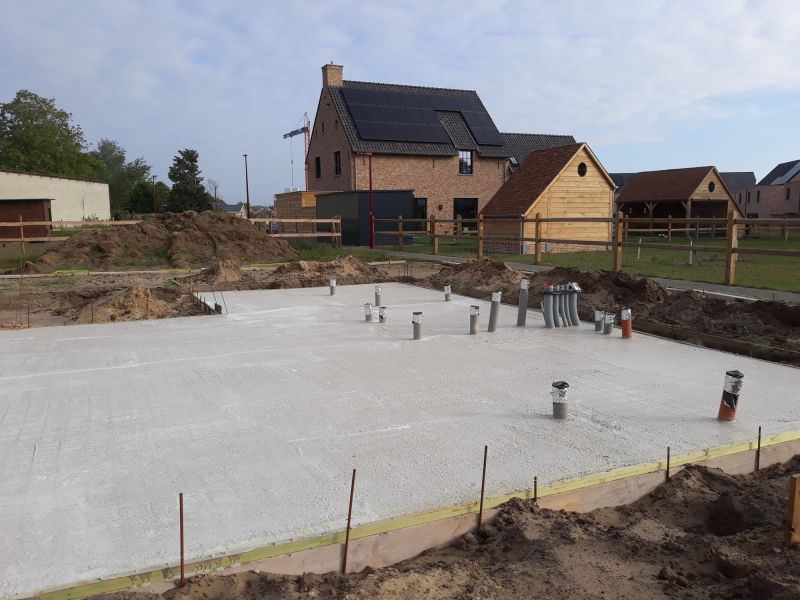
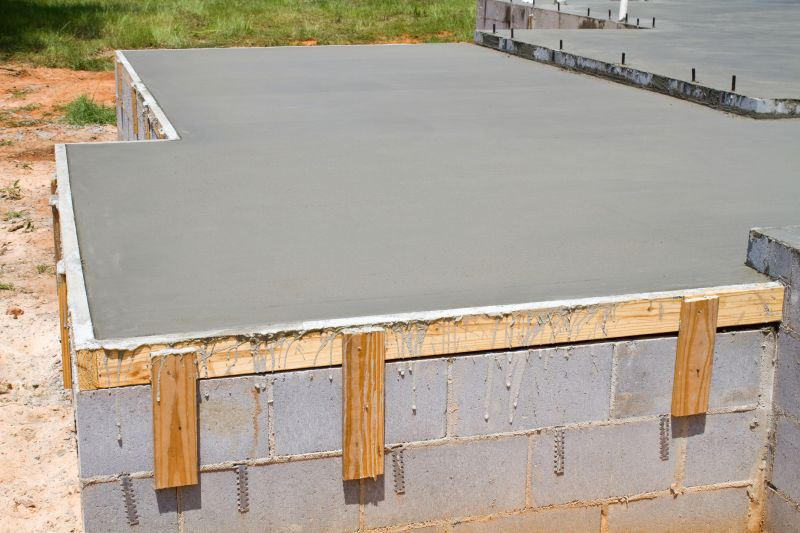
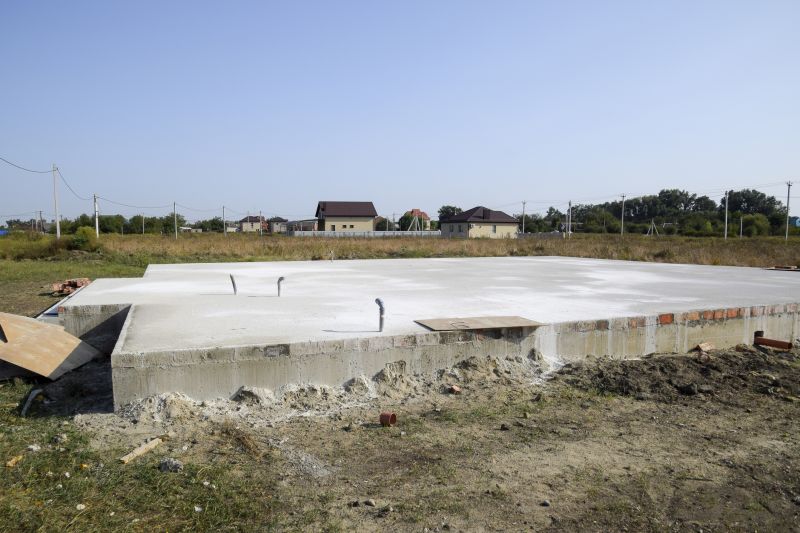
When considering foundation options for commercial buildings, property owners often explore the differences between concrete slab and pier foundations. A concrete slab is a solid, flat surface poured directly on the ground, making it a straightforward choice for many types of commercial projects. It tends to be more cost-effective and quicker to install, which can be appealing for businesses looking to minimize construction time. On the other hand, pier foundations involve constructing vertical supports that elevate the building above the ground, providing better access to utilities and allowing for adjustments on uneven terrain. Local contractors can help evaluate the specific site conditions and determine which foundation type aligns best with the building’s design and long-term needs.
Property owners in the area might look into this topic when planning new commercial spaces or renovations, especially if they want to ensure the stability and durability of their structures. Factors such as soil type, load requirements, and future expansion plans often influence the choice between concrete slab and pier foundations. Local service providers can offer guidance on these considerations and handle the installation process, ensuring the foundation supports the building safely and effectively. Whether opting for a simple concrete slab or a more complex pier system, connecting with experienced local contractors can help property owners make informed decisions tailored to their project’s specific conditions.
What are the main differences between concrete slab and pier foundations for commercial buildings? Concrete slab foundations involve pouring a single, solid concrete surface directly on the ground, while pier foundations use vertical supports or piers to elevate the structure. Local contractors can assess site conditions to recommend the most suitable option for a specific project.
How do site conditions influence the choice between a concrete slab and pier foundation? Soil type, drainage, and load requirements play a significant role in determining the best foundation type. Experienced service providers evaluate these factors to help decide whether a concrete slab or pier foundation is more appropriate.
Are there structural advantages to using piers instead of a concrete slab for commercial buildings? Piers can provide better support on uneven or unstable soil, reduce foundation settlement risks, and allow for easier access to utilities. Local contractors can advise on which foundation type offers improved stability based on the building’s design and site conditions.
What are common considerations when installing a concrete slab versus pier foundations? Installation of concrete slabs typically involves site preparation and pouring a monolithic slab, while pier foundations require setting supports at specific depths. Service providers can handle the appropriate preparation and installation methods for each type.
Can local service providers help determine the best foundation type for a commercial project? Yes, experienced contractors can evaluate the project’s requirements, site conditions, and structural needs to recommend whether a concrete slab or pier foundation is most suitable for the building.
Assessing soil conditions - Understanding the soil type at a commercial site helps property owners decide whether a concrete slab or pier foundation is more suitable, with local contractors providing expert evaluations.
Choosing the right foundation type - Property owners can consider the building’s size and use when selecting between a concrete slab and pier foundation, with local service providers offering guidance on best options.
Planning for future expansion - When anticipating future building modifications, property owners might prefer pier foundations for easier access, with local pros assisting in planning the most practical solution.
Ensuring proper site preparation - Proper site grading and preparation are essential for either foundation type, and local contractors can handle these initial steps to support a stable foundation installation.
If you are thinking about concrete slab vs pier foundations for commercial buildings for a property, this guide is meant to help you understand this topic, the typical project types, and how different options might fit your plans.
When you are ready, you can use the quote form on this page to share a few details about your project. From there, local pros can review the basics and follow up with options that match what you have in mind.